
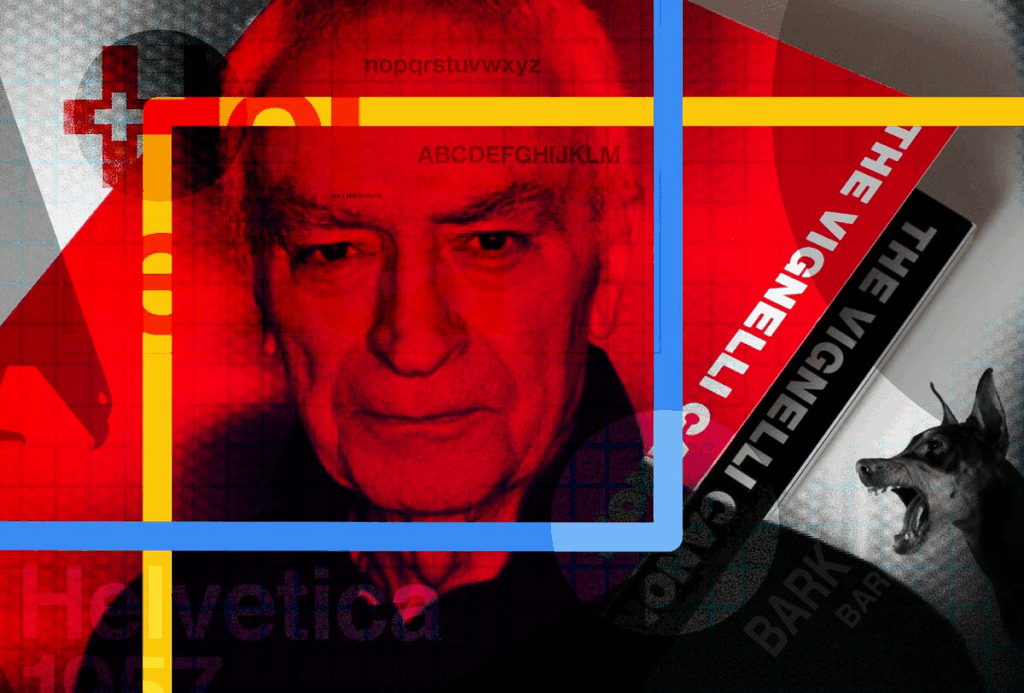
Firstly, I will say that I do agree fully with his principles. Ideas such as the timelessness of a design or its ambiguity, are ones that I haven’t really thought of a whole lot with most of my art. Of course, I try my absolute hardest to put effort and care into what I make, but I haven’t ever really considered the semantics or the pragmatics of it. As for the tangible ideas, such as the fundamentals of art (color, texture, etc.) and the paper you use, I do understand and utilize them. Overall, I think that this book has a very good grasp of the standard and well-understood aspects of design, as well as the more complex aspects of it that most don’t think about.
I will be honest, though, when I read through this the first time, some of the language used by Vignelli felt a little… abrasive? Gatekeeping-adjacent, for a lack of a more professional term? I don’t know, it really felt like to me that he was stating that if a design doesn’t utilize all the tangible and intangible aspects of design, it is lesser art and is “polluting” the artistic world. Now that I read it more, though, I recognize that it was not his intent, and that when he talks about less well-made art pieces being “they are either meaningless or incredibly vulgar or criminal when done on purpose”, he means those who make intentionally poor art and tries to pass them as professional masterpieces.
Either way, that’s what I thought of this book. It’s a great reference point for both basic and complex design ideas, and while sometimes harshly worded, I quite agree with its viewpoints on artwork which intentionally lies about its quality.
Leave a Reply